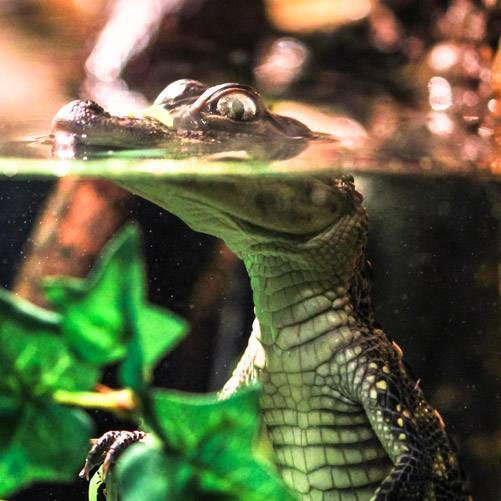
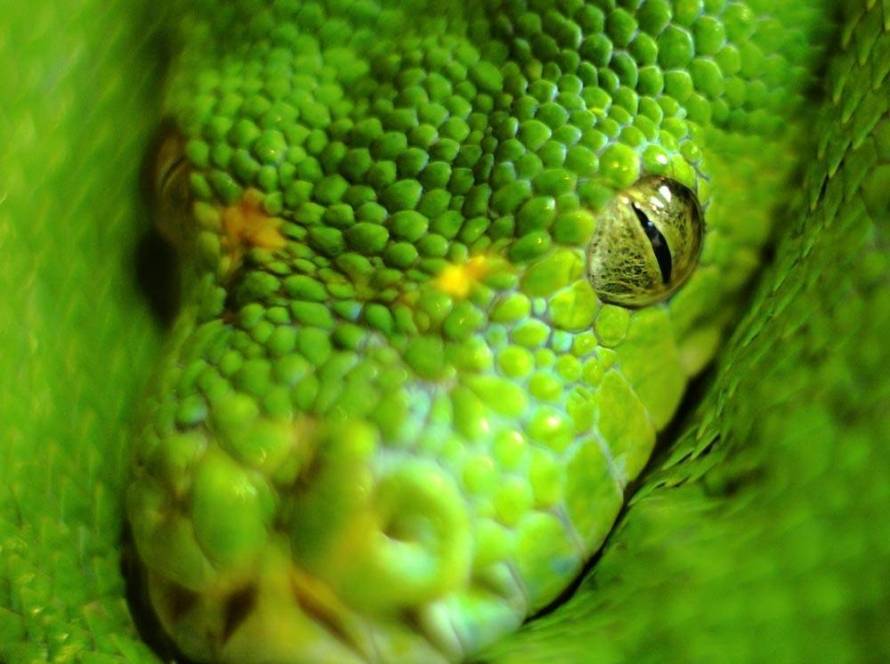
🐢 See it with your own eyes The pig-nosed turtle is one of the rarest turtles on display anywhere in the world — and it lives right here at Emaar Aquarium in Istanbul. Check the feeding hours and get your tickets online.
What Kind of Animal Is the Pig-Nosed Turtle?
The pig-nosed turtle (Carettochelys insculpta), also known as the Fly River turtle, comes from the rivers, lagoons and billabongs of southern New Guinea and northern Australia. It is almost entirely aquatic: it feeds, sleeps and even lays the groundwork for its whole life underwater, with females coming ashore only to bury their eggs in sandy riverbanks. Its shell is unusual too. Instead of the hard, polished plates most turtles carry, its back is covered with soft, leathery gray skin with a gently pitted texture — closer to the touch of a dolphin than a tortoise.Why the Pig Nose?
The fleshy, flexible snout really does look like a pig’s, and it is far more than a funny face. The turtle uses it as a snorkel, poking just the tip above the surface to breathe while the rest of its body stays hidden underwater. The snout is also packed with sensitive receptors that help it find food in murky river bottoms where eyes are of little use.What Makes It So Special?
Here is the detail that makes biologists stop and stare: the pig-nosed turtle is the only freshwater turtle in the world with true flippers. While its relatives paddle with webbed feet, this species flies through the water the way a sea turtle does. Watching it glide past the glass, you could easily mistake it for a small sea turtle that took a wrong turn into a river. Adults can grow to an impressive size for a river turtle, reaching up to 50 centimeters and more than 20 kilograms. Sadly, the species is under pressure in the wild, mainly because its eggs are collected in parts of its range — which makes seeing a healthy one up close all the more valuable.What Does the Pig-Nosed Turtle Eat?
Pig-nosed turtles are omnivores with a sweet tooth for fruit. In the wild they feast on figs and other fruits that drop into the water, along with leaves, crustaceans, mollusks and insects. That fondness for fallen fruit is rare among turtles and fits perfectly with the riverbank forests they call home.The Pig-Nosed Turtle at Emaar Aquarium
Very few aquariums in the world keep this species, and Emaar Aquarium is proud to be among them. During your visit, take a moment to watch how differently it swims compared to its neighbors. Turtle lovers should also stop by our water turtles and the tiny musk turtle, the pig-nosed turtle’s complete opposite in size and style.Frequently Asked Questions
Is it a tortoise or a turtle?
Despite what some older sources call it, this is a turtle, not a tortoise. Tortoises live on land; the pig-nosed turtle spends almost its entire life in the water and even swims with flippers like a sea turtle.
Why is it called the pig-nosed turtle?
Because of its soft, fleshy snout, which genuinely resembles a pig’s. The turtle uses it as a snorkel to breathe at the surface and as a sensitive tool for finding food in murky water.
How big does a pig-nosed turtle get?
Adults can reach around 50 centimeters and weigh more than 20 kilograms, which makes it one of the larger freshwater turtles you can see in an aquarium.
Where can I see a pig-nosed turtle?
Only a handful of aquariums in the world display this species. In Istanbul, you can see it at Emaar Aquarium — check the feeding hours before your visit.